Free · No Signup · All Options Compared — Not Just the One Your Bank Sells
The Home Equity Calculator
See exactly how much equity you can access, compare every way to tap it side by side — HELOC, home equity loan, cash-out refinance, and home equity investment — and get an honest assessment of whether you should.
🏠 Equity & CLTV calculator
💰 HELOC vs HEL vs cash-out
🆕 No-payment HEI modeler
🔨 Use of funds analyzer
⚠️ Risk assessment
Important: This tool is for educational purposes only and does not constitute financial, mortgage, or legal advice. All home equity products use your home as collateral — defaulting can result in foreclosure. Consult a licensed financial advisor and HUD-approved housing counselor before making decisions.
Built and maintained by the Rytell Home Equity team, with definitions and consumer protections drawn from the Consumer Financial Protection Bureau. About this site →
🏠 How much home equity can I access?
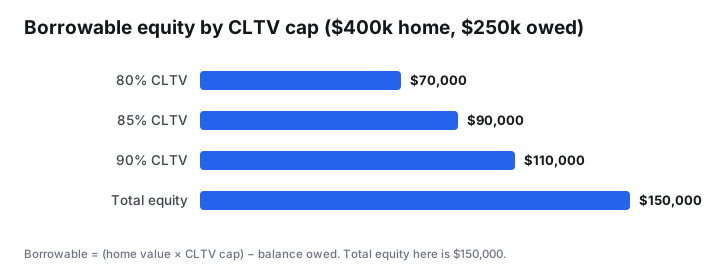
Most lenders allow up to 80–85% combined loan-to-value (CLTV). Premium HELOC lenders go up to 90–95%. Your accessible equity is the difference between that limit and your current mortgage balance.
$
$
$
📚 In-depth home equity guides
Plain-English explainers to help you understand your options before you borrow.
HELOC vs Home Equity Loan
The key differences between a variable line of credit and a fixed-rate lump sum
Cash-Out Refinance Explained
How it works, the closing costs, and why giving up a low rate can be costly
How Much Can You Borrow?
LTV, CLTV, and the formula lenders use to cap your borrowing
Smart Uses & Real Risks
Which uses of home equity make sense — and the risks of tapping your home
🏠 Home equity resources
Compare rates and get quotes from trusted lenders before you commit.
LendingTree
Compare HELOC and home equity loan rates from multiple lenders
Hometap
Home equity investment — cash now, no monthly payments, pay when you sell
Credit Karma
Check your credit score free before applying for a home equity product
Policygenius
Lenders require homeowner's insurance — compare quotes before you close
Mortgage & RE Ally
Full mortgage and real estate calculators — affordability, amortization, investment property
The Insurance Ally
Free coverage calculators and plain-English guides for auto, home, and renters insurance